

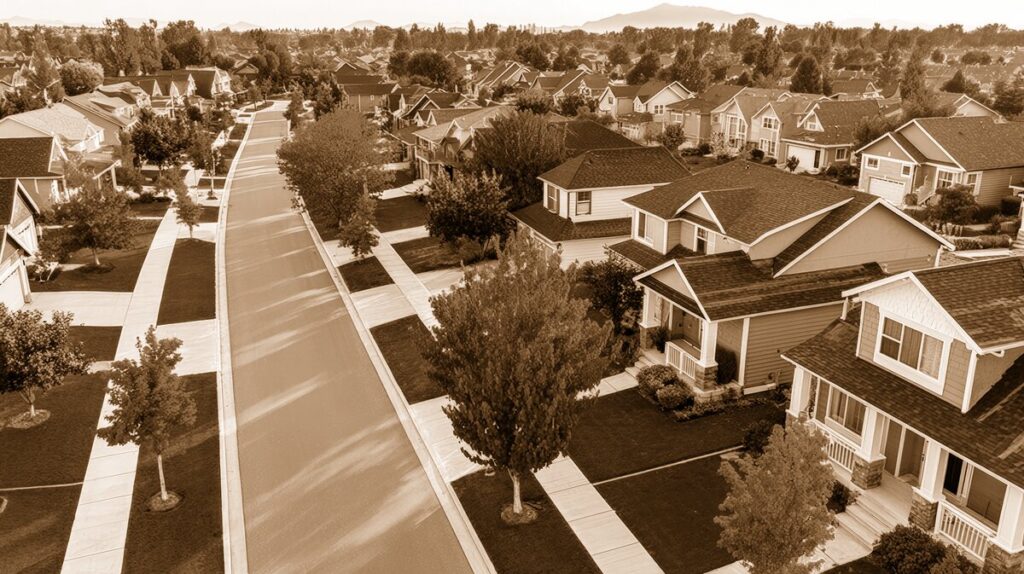
Nestled on the eastern edge of Durham and only a stone’s throw from Research Triangle Park, Ellis Walk is one of those rare neighborhoods where history and modern life blend effortlessly. Whether you’re strolling along Ellis Road or taking in the gentle woods near Corners Parkway, it’s clear that this community has a story to tell. As a longtime local and part-time neighborhood historian, I’m excited to share the vibrant heritage and evolution of Ellis Walk—a place that continues to win hearts, decade after decade.
From Farmland to Foundations: The Origin Story
Ellis Walk owes its origins to a patchwork of farmland that stretched across eastern Durham County in the early 20th century. Long before sleek new homes and community pools, this area was known for its tobacco fields and rural pace. The land’s transformation began in the late 1900s, as nearby Research Triangle Park (RTP) brought a wave of professionals and families looking for quiet retreats with city conveniences.
The name “Ellis Walk” pays homage to Ellis Road, the main thoroughfare tracing back to the Ellis family—a pioneering group of farmers and land stewards who first tilled these grounds in the late 1800s. Oral histories passed down by residents recall Samuel Ellis, who shared harvests with neighbors and fostered the sense of community that still defines the area today.
Key Historical Milestones
- Late 1800s – Early 1900s: The area is predominantly agricultural, with several working farms operated by the Ellis family and their neighbors.
- 1930s: Construction of Ellis Road connects these farms to expanding Durham, opening the area to occasional visitors and small enterprises.
- 1960s – 1970s: The creation of Research Triangle Park ushers in a period of growth, positioning east Durham—including the land that would become Ellis Walk—as a desirable residential enclave for RTP professionals.
- Early 2000s: Plans for a new neighborhood, Ellis Walk, are formalized, blending respect for natural spaces with modern amenities.
- 2017: The first families move into Ellis Walk, marking the start of a new chapter rich in diversity and neighborly tradition.
Iconic Landmarks and Neighborhood Treasures
Though much of Ellis Walk’s charm lies in its residential streets and welcoming front porches, look closer and you’ll find a tapestry of landmarks both old and new:
- Ellis Road: More than just an address, this route stands as the backbone of the neighborhood. Historic remnants—like the old Ellis family well—still dot the landscape near the intersections of Highway 98 and Ellis Road.
- The Legacy Park: Located off Creek Point Drive, this green haven features preserved hardwoods and a rustic walking path, which many believe follows the boundaries of the original Ellis homestead.
- Ellis Walk Community Center: This newly-built hub for local activities pays tribute to its roots with archival photographs and community displays featuring stories from “old Durham.”
- Corners Parkway & Apple Grove Lane: These residential streets bear the names of crops and features once common to area farms, giving everyday walks a subtle sense of heritage.
Life in Ellis Walk: Then and Now
As you drive down Calloway Drive or visit the splash pad at the neighborhood pool, you’re witnessing the evolution of a place that honors its past while embracing the future. Early residents credit the neighborhood’s wide sidewalks, tree-lined lanes, and regular block parties as reminders of their rural roots—a kind of “modern village” ethos.
Decades ago, children roamed fields that now hold soccer pitches and playscapes. Today, Ellis Walk is known for:
- Diverse Neighbors: Echoing the arrival of new families during the RTP boom, the community is home to people from all walks of life—tech professionals, educators, retirees, and young couples setting down roots.
- Traditions: Annual outdoor movie nights and fall harvest festivals connect current residents to the area’s agricultural history.
- Preservation Initiatives: Local groups, with support from the City of Durham, work tirelessly to maintain segments of natural forest behind homes on Apple Grove Lane and Walnut Hall Drive, keeping Ellis Walk green and inviting.
What Makes Ellis Walk Special
Every neighborhood has its own magic, but Ellis Walk’s appeal is as much about its values as its beauty. There’s a relentless spirit of neighborliness—evident in everything from the Little Free Library on Piper Spring Lane to donated produce boxes in summer, echoing the generosity of the Ellis family.
Residents greet one another by name during morning walks, children play in safe cul-de-sacs, and community clean-up days turn strangers into lifelong friends. The smell of honeysuckle in Legacy Park or the sight of local artists painting murals in the community center reminds visitors that Ellis Walk is a living tribute to simple joys and shared history.
Looking Ahead: Heritage Meets Progress
While Ellis Walk is continually evolving—with new homes, technology upgrades, and expanded walking trails—there’s a conscious effort to honor its rich past. Friendly debates at neighborhood meetings often revolve around balancing growth with preservation. The future may bring more families and smarter infrastructure, but the foundational spirit of respect and belonging remains unchanged.
Few places can claim such a distinct blend of old and new. In Ellis Walk, every street tells a story, and every resident adds a new chapter. Whether you’re a fresh arrival or a long-rooted neighbor, you’re sure to discover something to love here—a true testament to the enduring spirit of eastern Durham.